Harry Dye, Matt England, Henry Morris – Finder Energy
The prospect is located in the Peterhead Graben, a sub-basin in the geographically more extensive ‘South Halibut Basin’, home to numerous Upper Jurassic fields and discoveries of which the giant…
“Many countries in the West have deliberately moved from being carnivores to vegans if that analogy can be used for the energy system”, someone recently told me at a conference.…
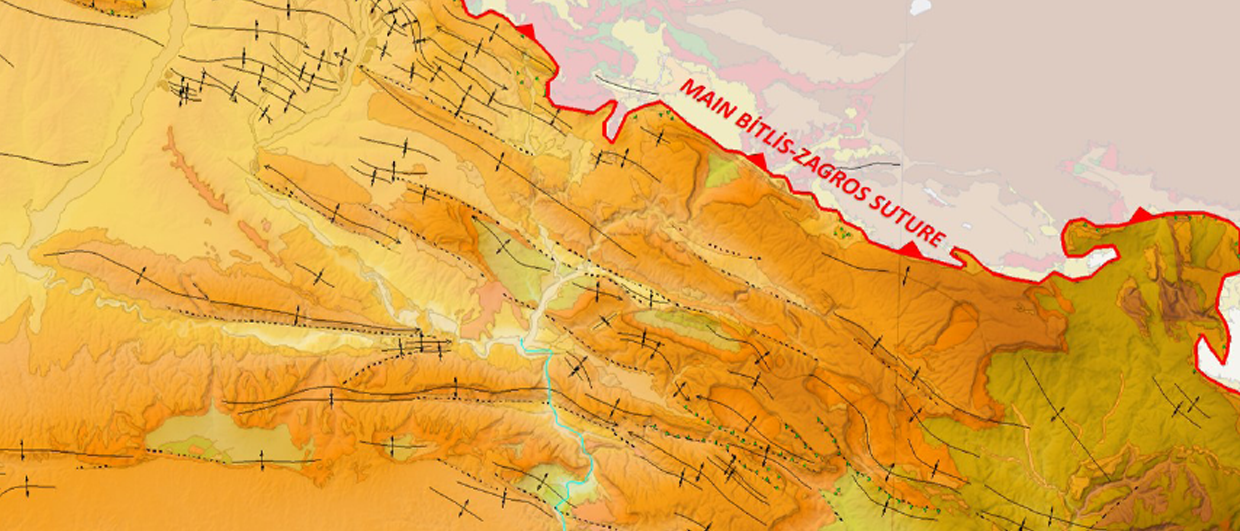
Mehmet Akif Sunnetcioglu, Tugba Ozdogan, Tugrul Uludag, Elif Uz, Ahmet Ergun Genis, Mehmet Sahin, Gokhan Köse, Sezer Turk, Ahmet Postaagası, Umit Nayıroğlu, Yucel Deniz Erdal and Sevgi Kosal - Turkish Petroleum A.O.
As part of the Arabian Platform, known as the most prolific oil province in the world without a doubt, southeastern Türkiye continued to be underexplored until recently. The USGS published…
Many question why oil and gas companies are still investing in the sector, at a time when the fight against global warming is intensifying and the world is keen on…
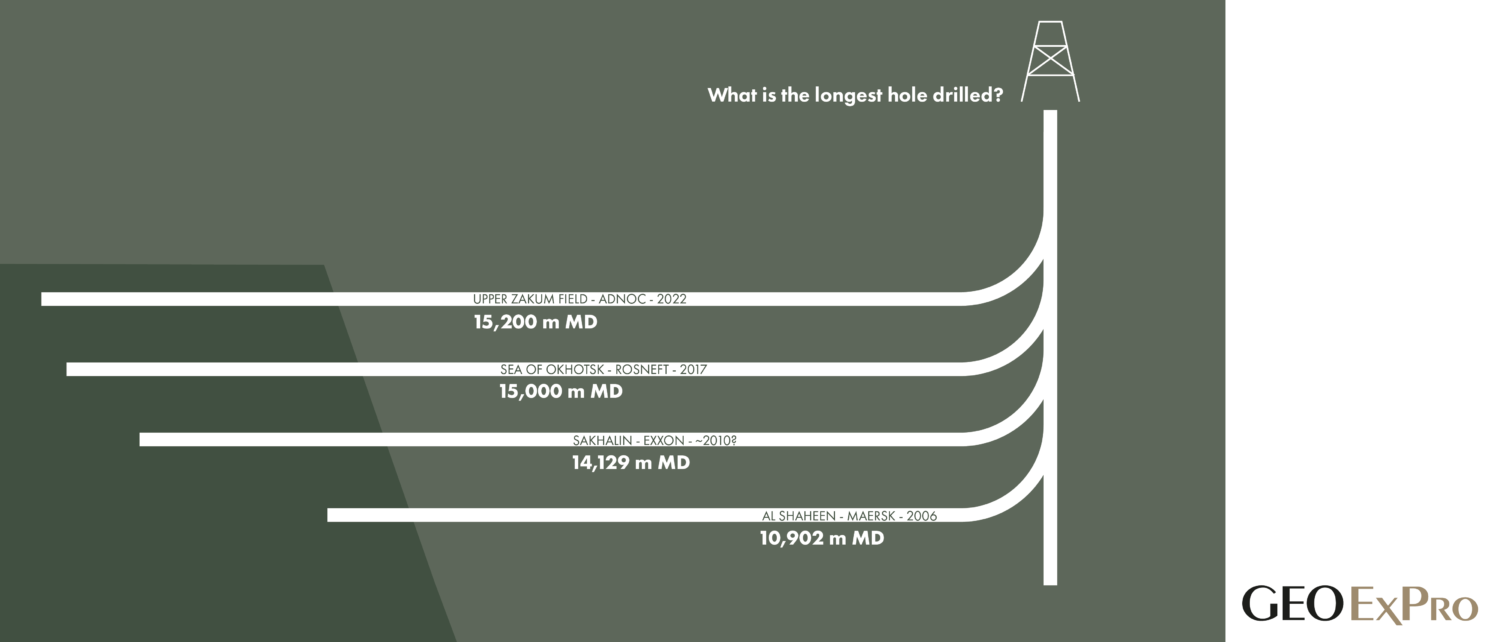
Based on a post on social media, in which we asked our followers to name the well with the highest step-out ratio – the ratio between horizontal distance and vertical…
“We went from two to nineteen mudlogging units recently”, said a representative from Geolog at the IPTC Conference in Saudi Arabia this week. “It is obvious that things are picking…
Molly Turko, Cameron Thompson and Kourtney Brinkley - Devon Energy; Julia Gale and Sara Elliot, Bureau of Economic Geology
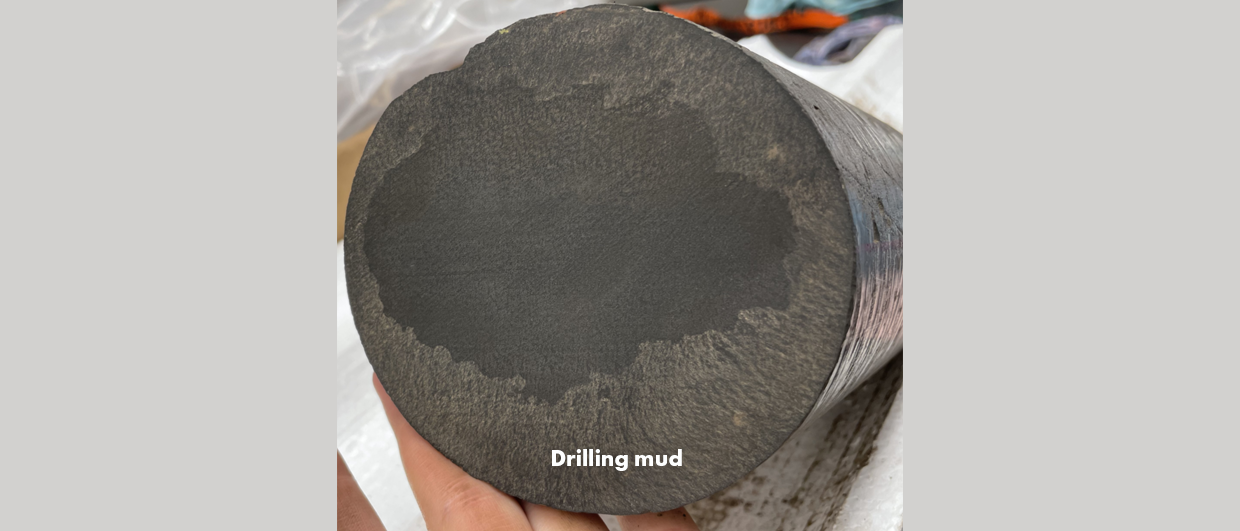
Is a refrac worth the investment? That is what we investigated in an extensive study. A key piece of data in the study included a horizontal core adjacent to a…
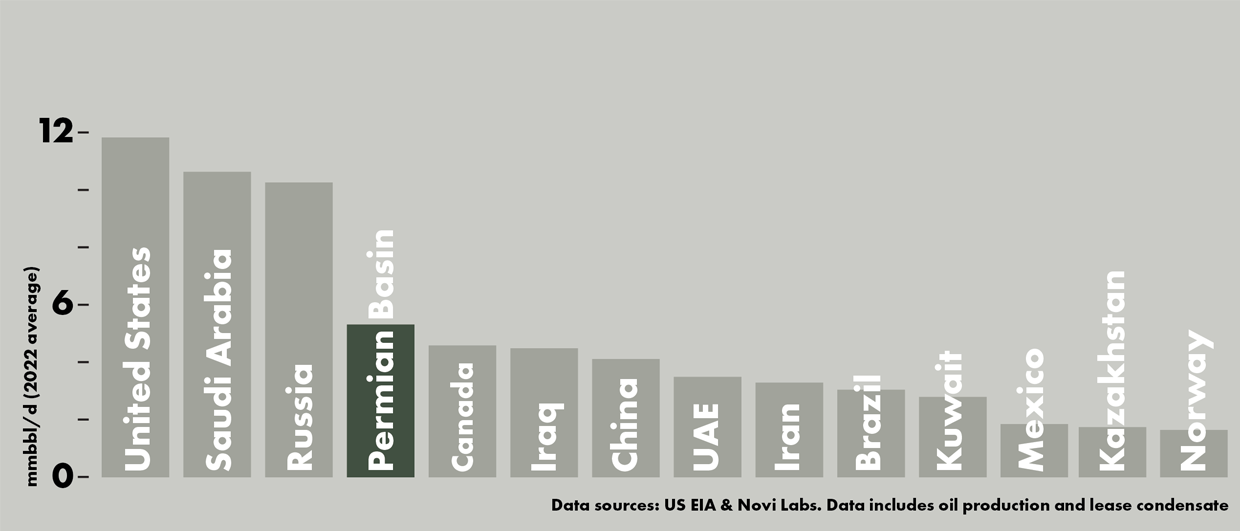
Nestled in the vast brushlands of West Texas and New Mexico, the Permian Basin quietly outstrips the oil production of countries like Iraq, Iran, or Canada, a fact that often…
We received quite a few comments on our short story about the commencement of tight gas production from the Ghawar field in Saudi Arabia. Thanks to that, there is an…
Every year in January, the Norwegian Offshore Directorate – which until the turn of the year was called the Norwegian Petroleum Directorate – summarizes the activities on the Norwegian continental…
Neil Hodgson, Karyna Rodriguez and Lauren Found, Searcher, and Pablo Rodriguez and Bruno Conti, ANCAP
Gondwanan break-up-basins and their multiple source rocks The advantage of Namibia’s conjugate margin in Uruguay and Southern Brazil is likely to be the sand and clay deposited by the Rio…
Neil Hodgson, Lauren Found and Karyna Rodriguez – Searcher
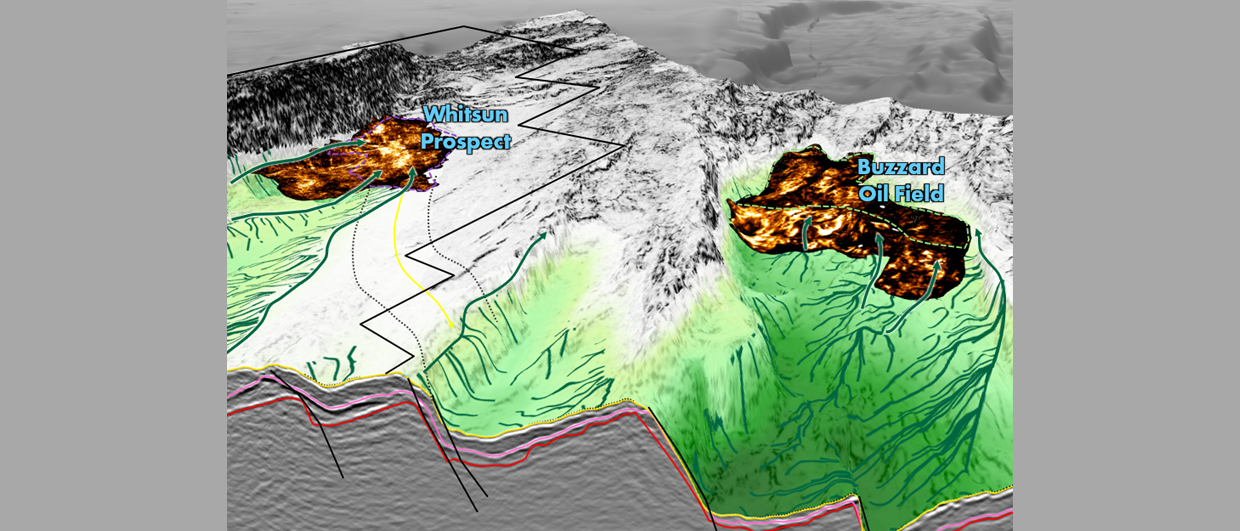
Four 3D seismic surveys comprising the “Big Buzz” dataset. Buzzard II: the sequel How about looking for another Buzzard field, next to the one that was found over 20 years…
Roberto Juncken, Bruna Lyra, Mariano Gatti, Abraham Rodriguez, CGG, and Natasha Stanton, Andres Gordon, University of Rio De Janeiro State
Location of pre-salt blocks in the Santos Basin, the Nebula-C polygon and exploration well results. Santos Basin: New seismic data helps de-risk CO₂ contamination for pre-salt exploration CGG’s latest imaging technology…
James Shreeve and Lucas Rocha Frascaroli, Geotek and Félix Gonçalves, Solintec
The Pre-Salt reservoirs in Brazil are home to some of the world’s largest oil and gas reserves and one of the most exciting exploration frontiers. However, until now the exceptional…
Neville Brookes, Ravi Kumar, Gregor Duval and Simon Otto - CGG
A major challenge in the US Gulf of Mexico is transforming disparate public datasets into a quality-controlled database. CGG has successfully created and used a database for its Storage Play…
Today’s energy industry faces the unprecedented challenge of balancing energy security, affordability and environmental sustainability. As hydrocarbons are expected to remain major components of global energy demand for the foreseeable…
In Europe, deep geothermal heat production for district heating and to a lesser extent district cooling is mainly based on the conventional doublet geothermal well solution. Examples are the wells…
Taras Popadynets and Yuliia Demchuk, Geothermal Ukraine
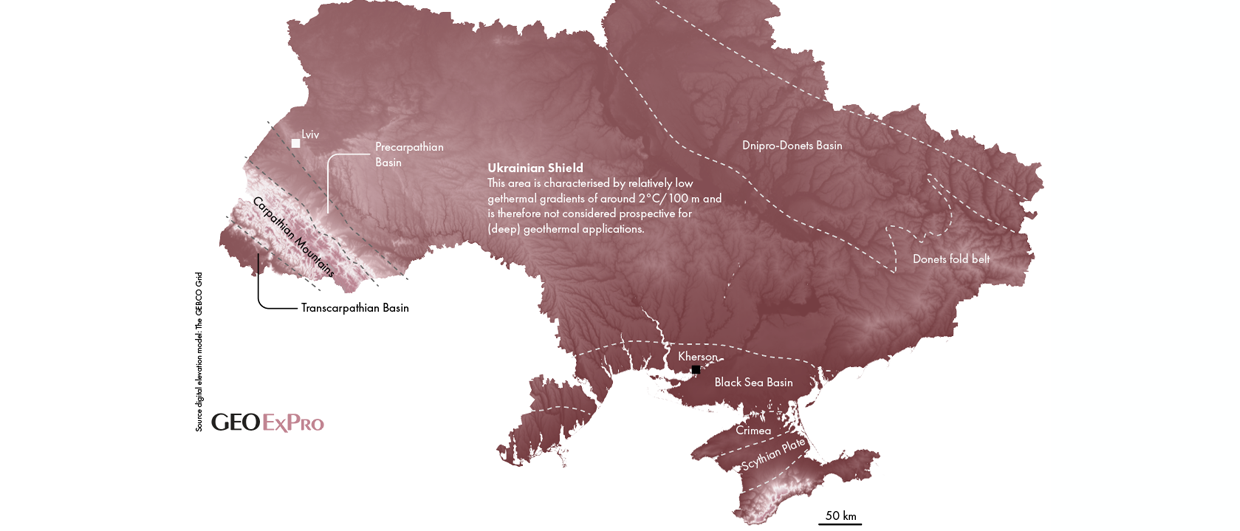
Ukraine has several geothermal sites and resources, especially in the Transcarpathia region and in the southern part of the country. However, the development of geothermal resources has not been extensively…
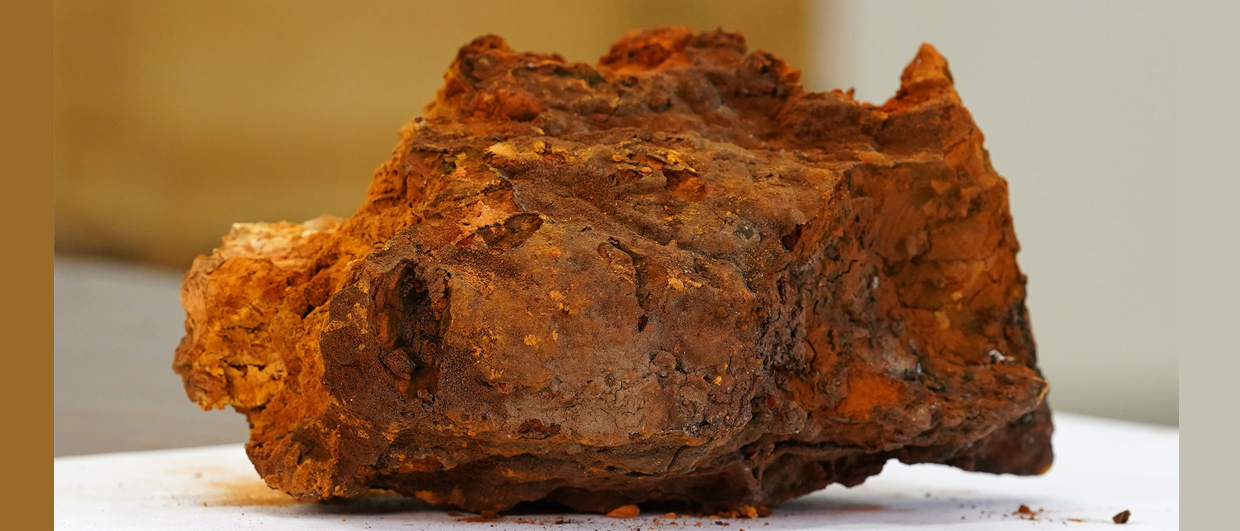
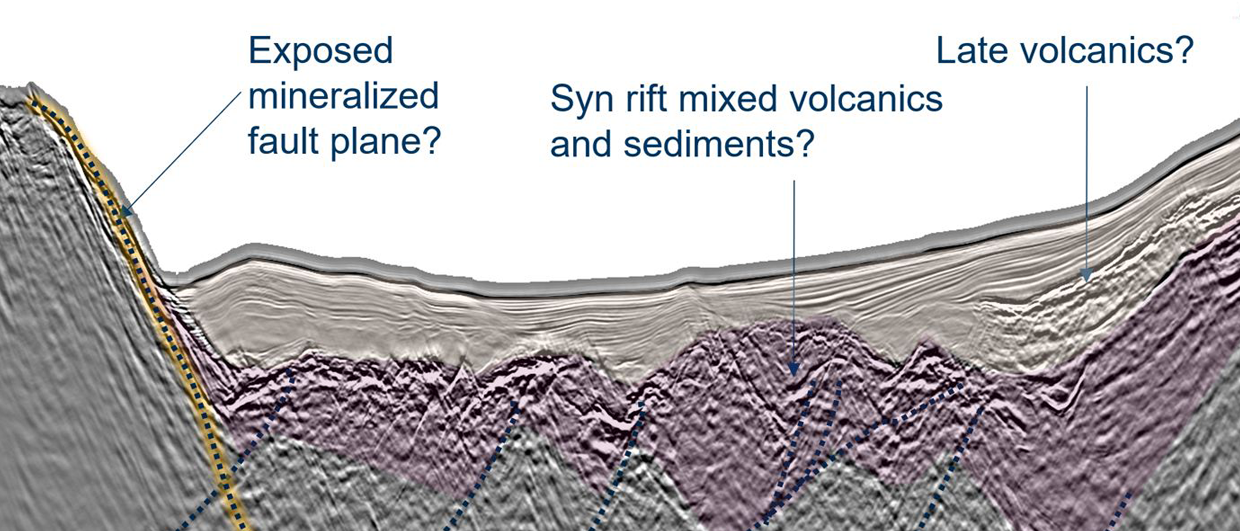
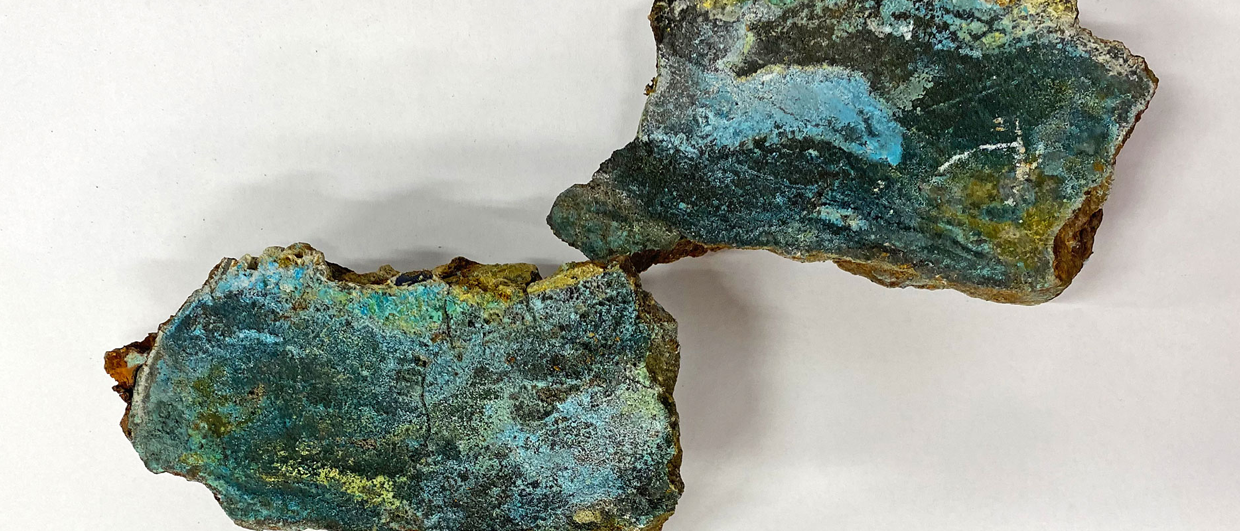
A debate has recently unfolded around how much copper – and related metals – are present in Norway’s mid-oceanic ridge system, an area where mining could take place in the…
“With conventional exploration for oil and gas, electromagnetic measurements (EM) are used to map resistivity in prospects – hydrocarbons are more resistive than brines. When we are looking for minerals,…
The final step in a years-long process was made in the Norwegian Parliament on January 9th, 2024. The four largest political parties, representing a strong majority, voted to open an…
The hotel kindly hosting the Aberdeen evening lectures organised by the GESGB should have looked at the programme before deciding not to man the bar last night. The talk was…
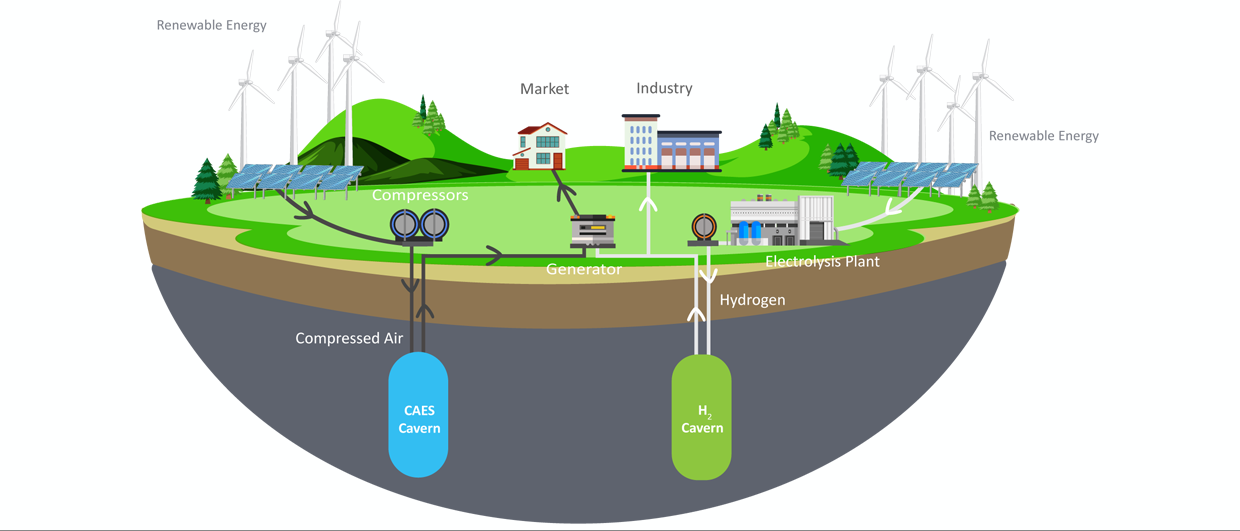
One of the major challenges for the energy transition is the storage of excess energy that can be used at times when the wind does not blow or the sun…
Another pressure plot without values on the Y-axis! That’s what I thought when watching Eirik Jenssen’s presentation at the Dig X Conference in Oslo yesterday. Eirik works as a Reservoir…
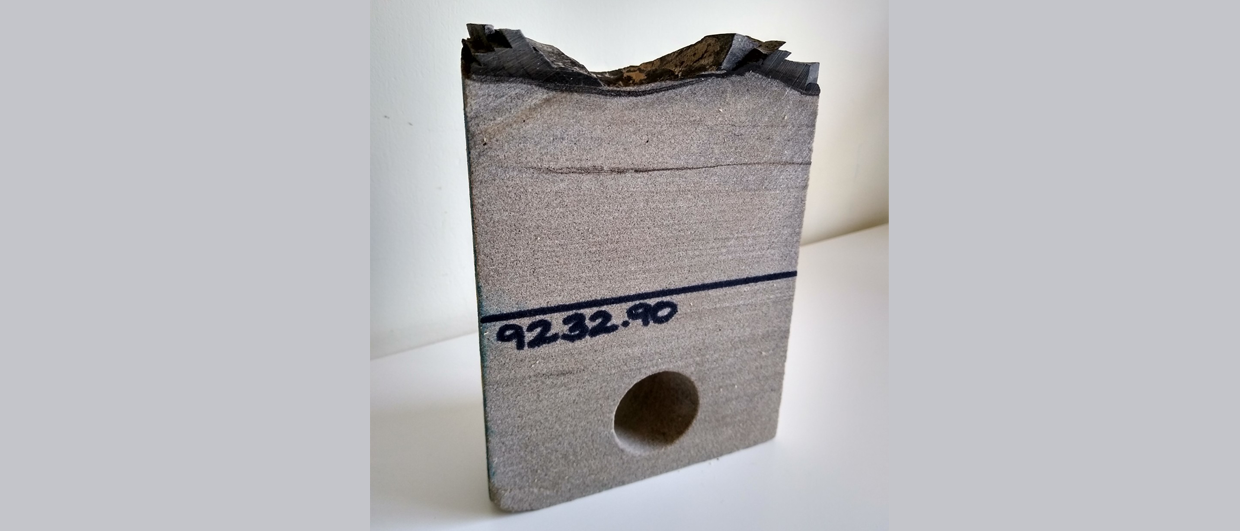
Until wireline logging came into swing, cutting core was the most important way to obtain reliable information about the targeted formation. With the advance of wireline logging though, the need…
In the continued discussion around the poor state of exploration drilling in the UK versus all those wells that are being drilled in Norwegian waters, it is so easy to…
It is corrosion resistant, has a long lifetime, no electronics are required downhole, and the “cable” is only a quarter of a millimeter thick. Fibre optic sensing technology has a…
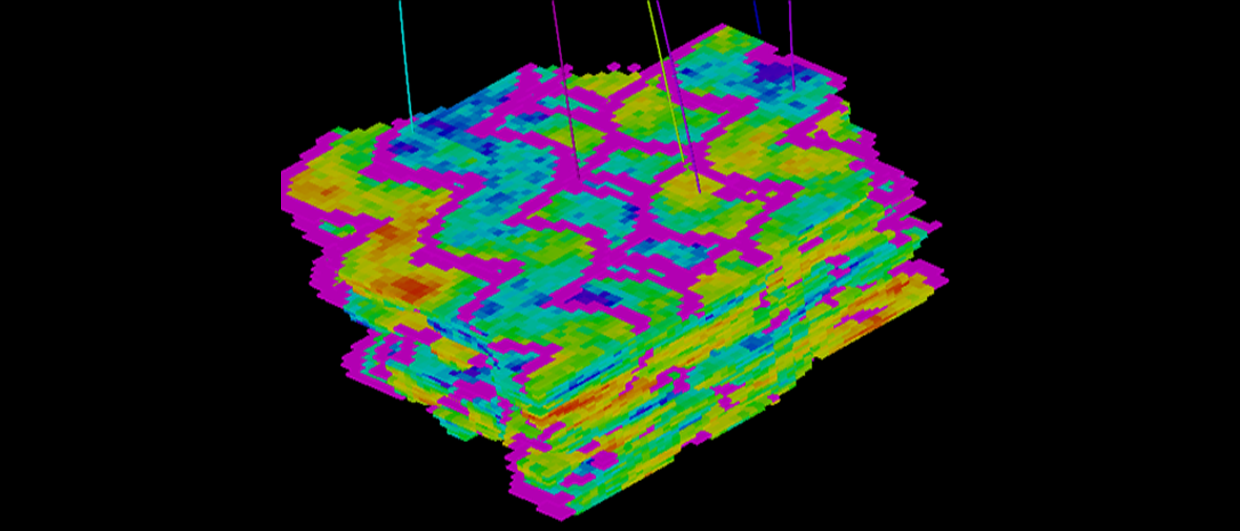
Traditionally, geomodels are built in a simplistic fashion, taking into account the inherent degree of uncertainty in the input data. Attempting to accurately depict an unseen geological object, often multiple…
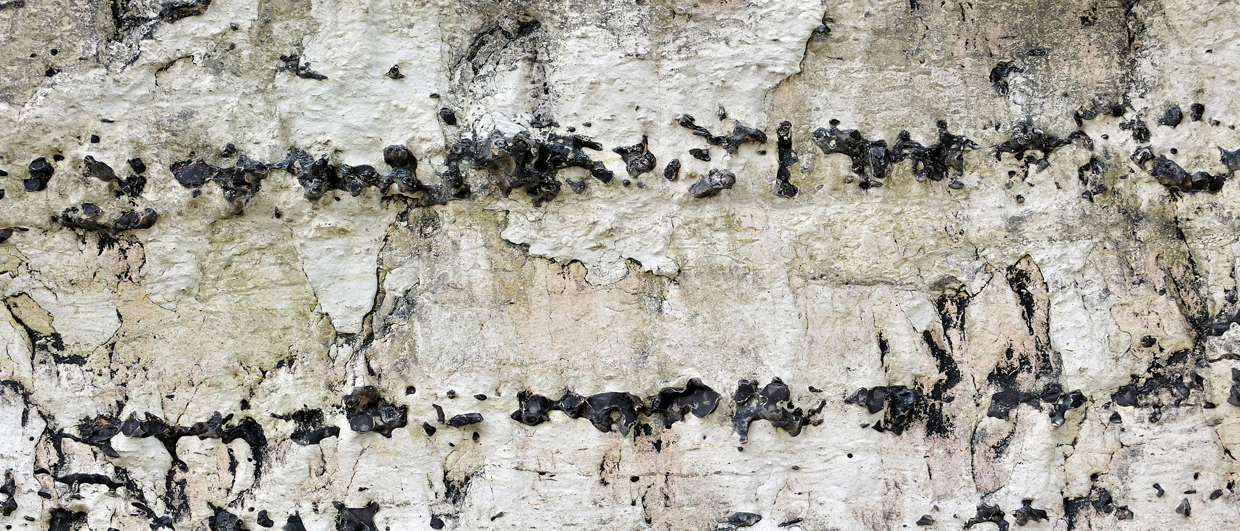
We, geologists, have the primacy of observation of rocks dinned into us during our earliest work in the field, with that message then reinforced by later events in our lives.…
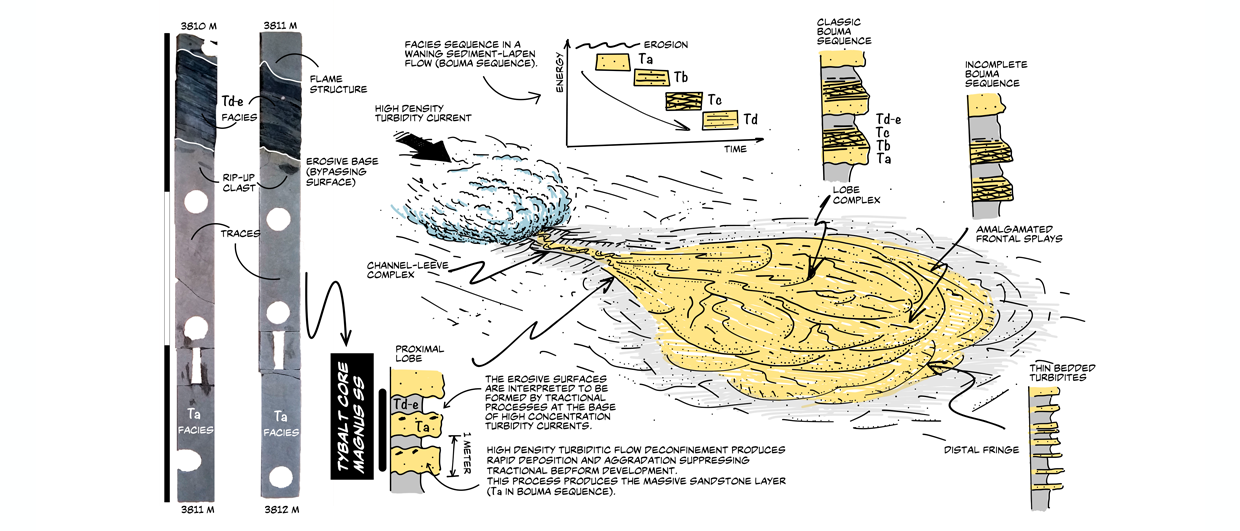
The Bouma sequence, proposed by Arnold Bouma, has been a cornerstone in the interpretation of turbidites and high-density sediment currents since its publication in 1962. The Bouma sequence is a…
Martin Essenfeld - EGEP Consultores SA and Rafael Sandrea - IPC Petroleum Consultants
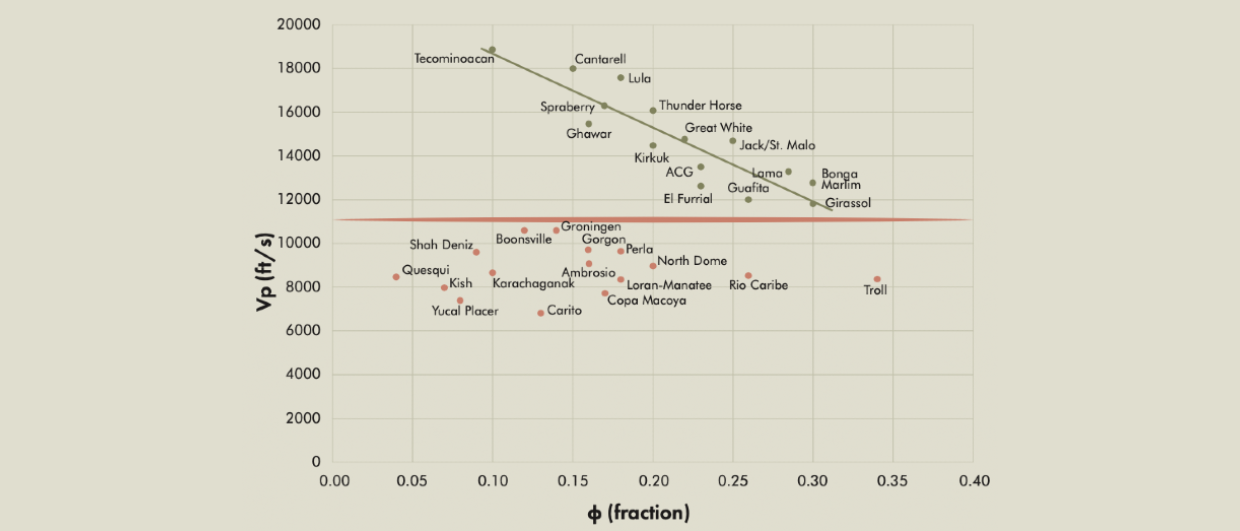
P-wave velocity (Vp) is an essential parameter for constructing seismic velocity models for geophysical exploration data, and porosity is the single most important factor affecting it, along with the type of…
Åsmund Drottning, Per Avseth, Tore Nordtømme Hansen, Dig Science AS
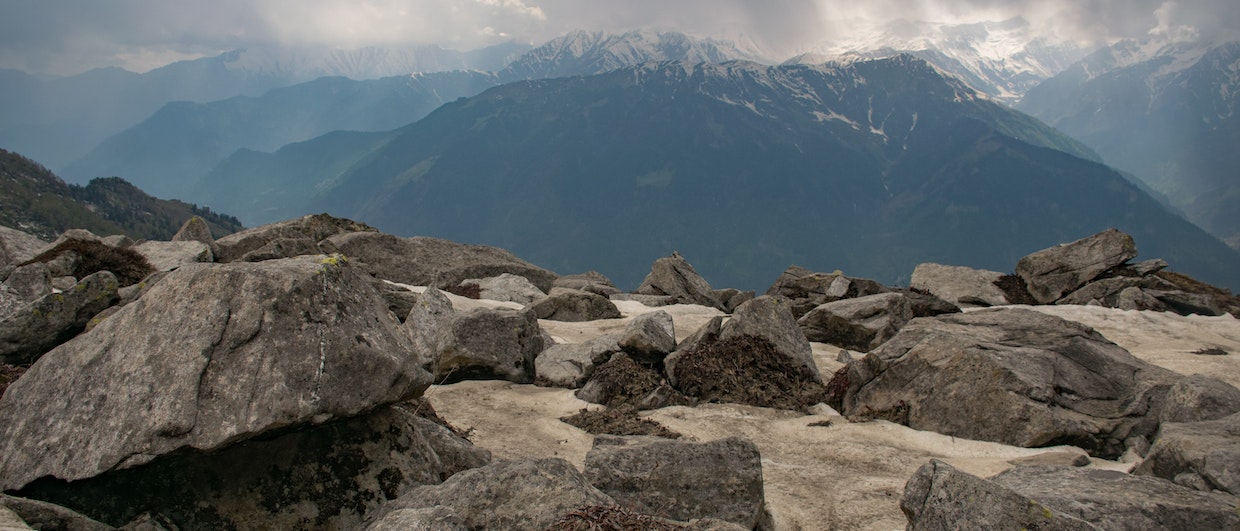
The seismic signature of a sedimentary rock is strongly influenced by the geological history of the rock, e.g., the depositional environment, whether it has experienced tectonic burial and uplift, etc.…
Steve Morse and Gerrard Spear, Lyme Bay Consulting
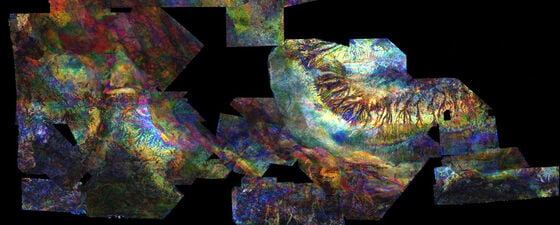
During the pandemic, Lyme Bay Consulting took the opportunity to download all the Operator-released 3D seismic data in the UKCS to produce a series of Post-Stack Merged Seismic Volumes covering…
“I was still a student in the US when the GEO EXPRO magazine was launched at the EAGE Annual Convention in Paris in 2004”, says Ingvild Ryggen Carstens. “The year…
Looking out of the plane window when approaching Dammam, Saudi Arabia’s oil capital, the darkness of the desert is interrupted by star-shaped lights in places. I wondered what they were…
As many people will have headed back to either their (home) office today – brutally ignoring all of those who have continued working on site regardless of whether it is…
A catalyst for deals to be struck and new ventures to be undertaken, BEOS will bring together Oil and Gas Majors, IOCs, NOCs, Independents, E&P firms and Governments, whilst also…
“My fascination with geology started with asking myself a question”, says Clara Rodríguez Rondón. “I grew up in Venezuela, in a town called San Juan de Los Morros, in a…
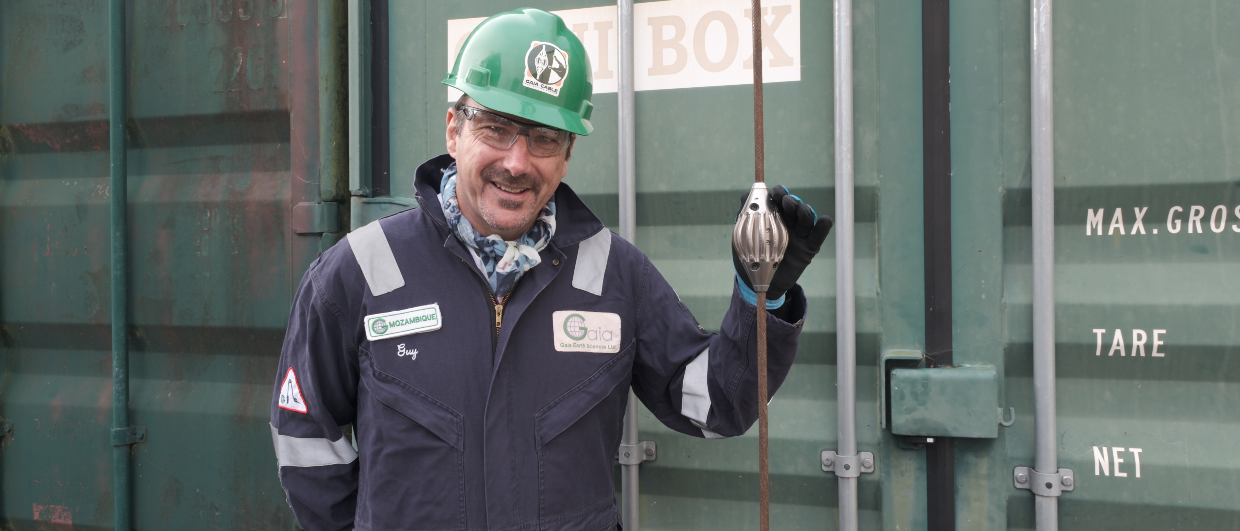
“I have always wanted to have one foot in the field and one foot in the lab, to better solve practical problems in the oilfield”, says Guy Wheater on a…
“You are not going to play around here for a month and do nothing”, said Keryn’s father when she returned home to Oranjemund (Namibia) from High School for the summer…
“My parents approached my upbringing in different ways”, says Hayet when we met up on Teams to do the first part of this interview. “My father, an accountant, is curious…
In hydrocarbon exploration, innovation is essential for improving efficiency and sustainability, particularly in node operations. By incorporating Autonomous Underwater Vehicles (AUV) and utilizing the latest machine learning advancements, ocean bottom…
“In the past, we as a provider of OBN and streamer technology would mostly liaise with seismic acquisition companies; our exposure to oil companies was very limited,” says Gaetan Mellier,…
“The production of paleogeographic maps is an economically useful exercise for consultancy companies such as ours”, says Andy Horbury from Cambridge Carbonates. His company has been involved in constructing, editing,…
The initial nodes from the company’s rental pool have already seen successful service on one North Sea project and are now being deployed on a second for a different OBN…