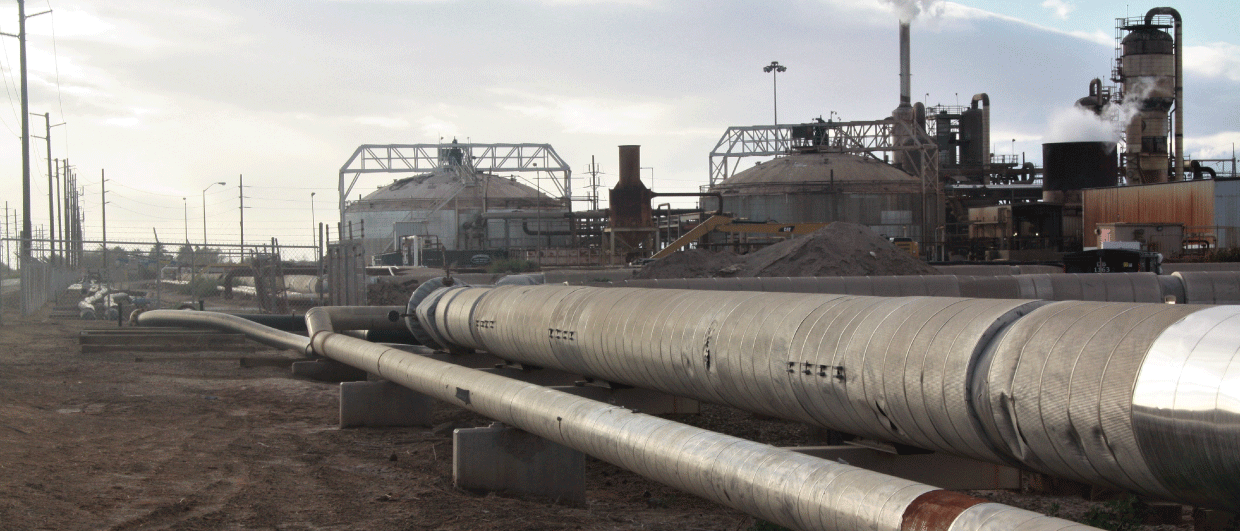
EAGE GET
Hannover, Germany, 2–6 November
Hannover, Germany, 2–6 November
H-NAT
Paris, France, 3–4 November
Paris, France, 3–4 November
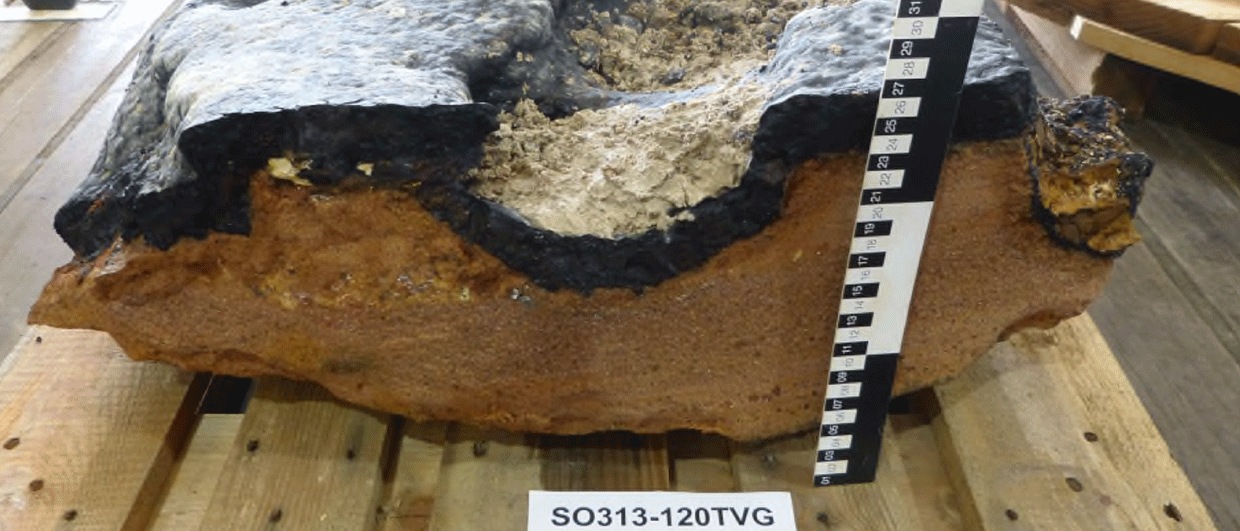
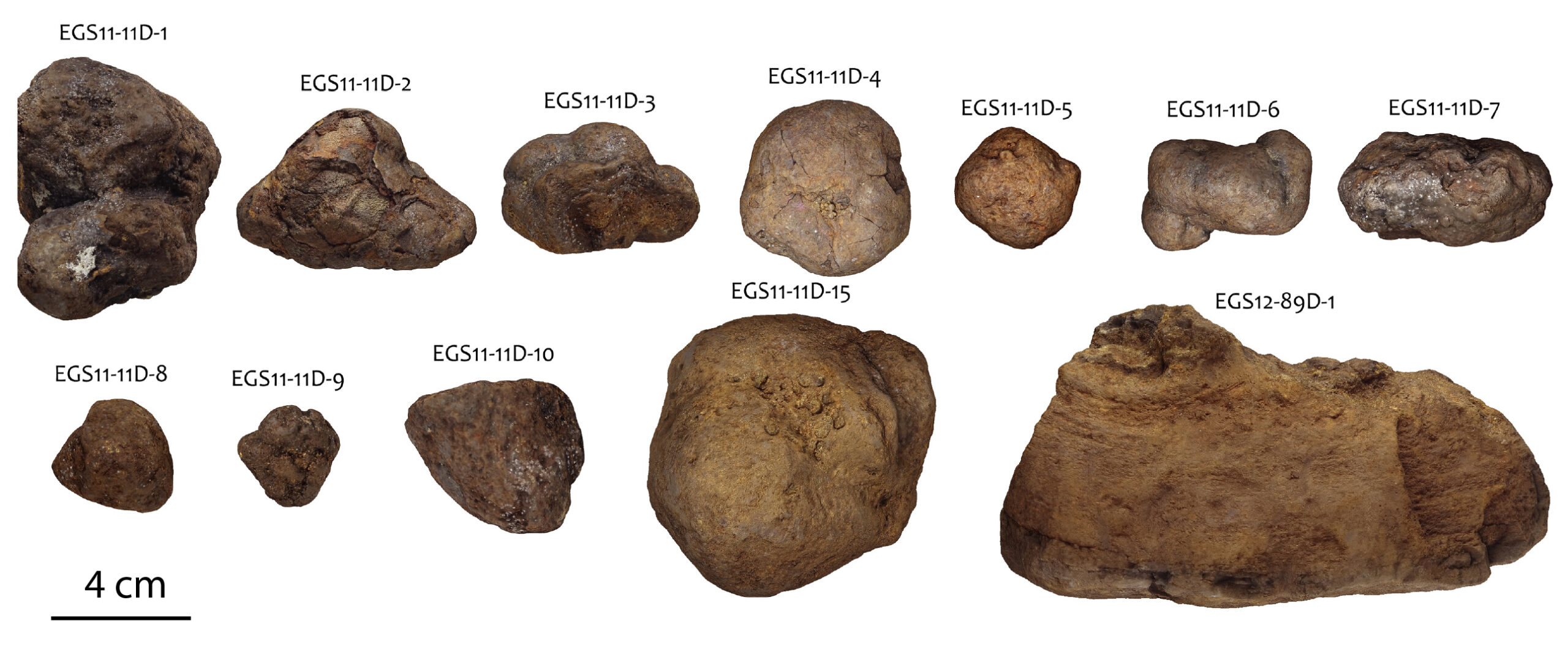
Underwater Minerals Conference
Toyama, Japan, 8–13 November
Toyama, Japan, 8–13 November
GESGB Africa Conference
London, UK, 12 November
London, UK, 12 November
Aberdeen Energy Talk #4
Aberdeen, 17 November
Aberdeen, 17 November
APGCE
Kuala Lumpur, Malaysia, 16–17 November
Kuala Lumpur, Malaysia, 16–17 November
NCS Exploration Strategy
Stavanger, Norway, 17–18 November
Stavanger, Norway, 17–18 November
GCON GESGB
London, UK, 25–26 November
London, UK, 25–26 November
CCS4G Symposium
London, UK, 2 December
London, UK, 2 December
Dig X Subsurface
Lillestrøm, Norway, 2–3 December
Lillestrøm, Norway, 2–3 December
AAPG ICE
Jakarta, Indonesia, 7–9 December
Jakarta, Indonesia, 7–9 December